

How I Use a Browser Wallet for NFTs, DeFi, and Everyday Solana Management
First off—wallets changed how I think about crypto. They made the blockchain feel less like a ledger in the sky and more like a pocket tool I actually trust to do things I care about. When I first started with Solana, things were messy. Transactions were fast, but managing keys and dApps felt scattered. Over time I landed on a browser extension workflow that streamlined NFTs, staking, and DeFi access in one place.
Keep this practical: a browser extension wallet gives quick access to marketplaces and DeFi apps without needing a full node or a phone app every time. It’s not just convenience. It reduces friction for moving tokens, signing transactions, and connecting to sites. That said—convenience = responsibility. You have to lock down your seed phrase, lock your device, and be deliberate about which sites you connect to.
Here’s what I actually use it for. Managing NFTs is the obvious one: viewing collections, listing items, and sending pieces to friends. DeFi use-cases follow: swapping SPL tokens, providing liquidity, and interacting with lending platforms. And then there are the small things—tipping creators, claiming airdrops, testing new dApps. Each of those actions benefits from the immediacy that a browser extension provides, because a couple of clicks is often all that stands between you and a final, irreversible blockchain call.
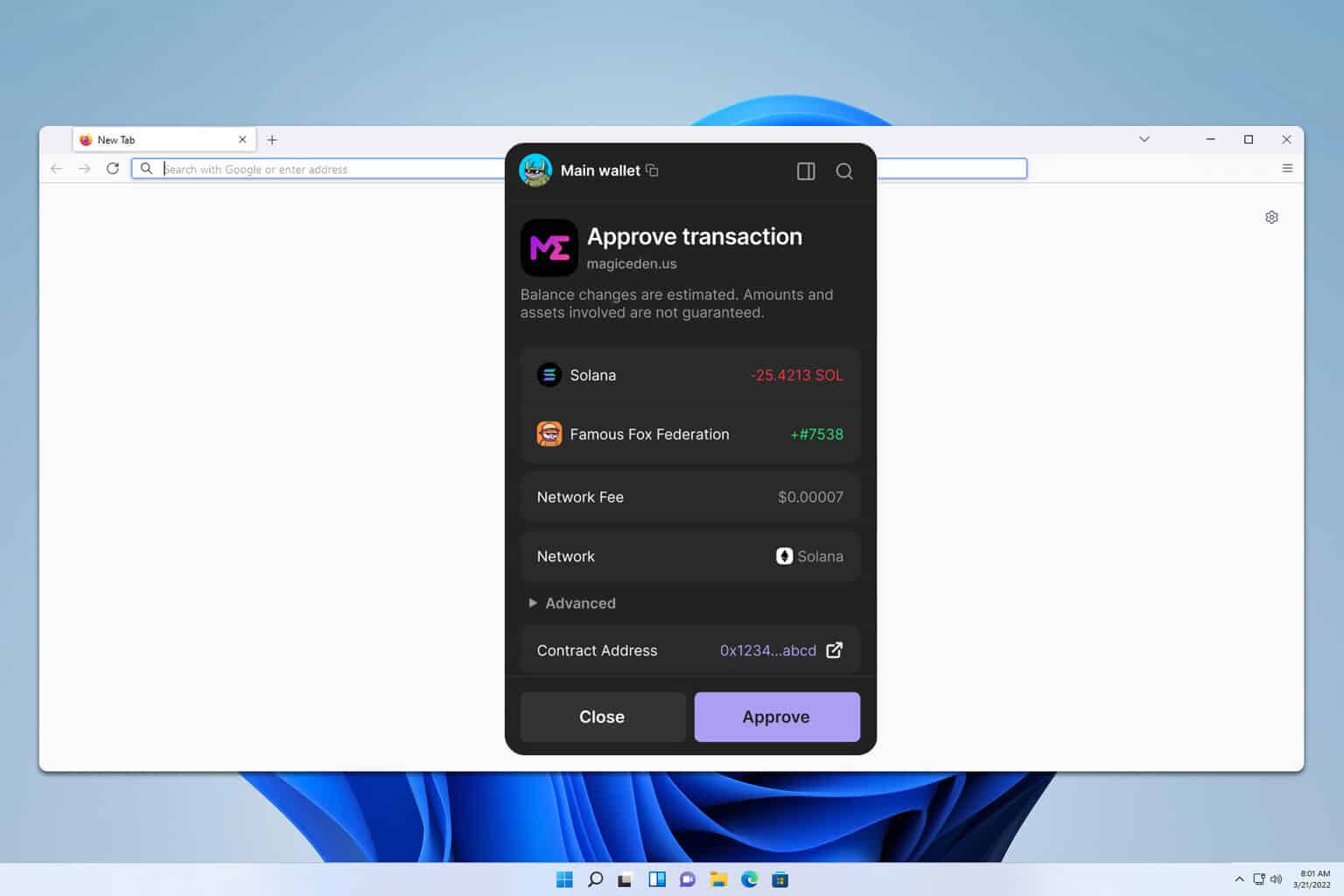
Why choose a browser wallet like phantom wallet for Solana?
I recommend phantom wallet because it balances simplicity with power. It’s beginner friendly—setup is a few guided steps—and it still supports advanced features like hardware wallet integration, custom RPC endpoints, and token management. For folks who want to move between marketplaces and DeFi UIs quickly, the extension workflow is seamless: connect, sign, done.
Practical tip: when you install an extension, always verify the source. Browser stores sometimes have copycats. After installation, create a new wallet and write down the seed phrase on paper. Don’t keep seeds in screenshots or cloud notes. If you plan to use a Ledger or another hardware key, pair it immediately—this reduces exposure for large balances.
Security practices that actually matter: use a dedicated browser profile for crypto, enable the password lock feature, and review site permissions before approving a session. Also, enable any available anti-phishing or domain-whitelisting features in the wallet. Small steps reduce risk a lot.
Functionality I lean on:
- Built-in token swaps for small trades (fast, cheap, convenient).
- NFT gallery and export features for cataloging collections.
- Custom network support when using testnets or private RPCs.
- Integration with Ledger for cold storage of significant holdings.
For people moving from other chains: Solana’s wallets are designed around speed and low fees, so UX patterns differ. Expect fewer confirmations and near-instant finality. That’s great for interactions but also means you should be deliberate with approvals—mistakes execute quickly.
Getting started checklist
Before you dive in, here’s a short checklist that keeps things sane:
- Create a new wallet from the extension and write the seed on paper.
- Set a strong password for the extension and enable auto-lock.
- Pair a hardware wallet if you’ll hold meaningful value.
- Fund the wallet with a small amount of SOL for fees and a test token transaction.
- Connect to marketplace or DeFi apps only when needed and review permissions.
Also: if you prefer a single source to download from, use the official distribution channels listed by the project to avoid imposters. One place I check for guidance and links is the project’s recommended download pages—search for official resources and confirm the domain before proceeding.
Common pitfalls and how to avoid them
People often make the same mistakes. The biggest: treating the wallet like a normal browser session. If you stay logged in and use the same browser for everyday browsing, you increase exposure to phishing. Another: approving arbitrary contract calls because the UI says “confirm” without explaining what’s happening. When in doubt, decline and inspect: what tokens are being spent? Is this a swap or an approval?
For NFT sellers: double-check the marketplace’s approval requests. Some approvals can grant transfer rights you might not intend. Revoke permissions for dApps you no longer use—there are on-chain tools to do that, and occasionally your wallet will expose a permissions manager directly in the UI.
FAQ
Is a browser wallet safe for long-term storage?
Short answer: no, not alone. Browser wallets are great for daily use and interacting with dApps. For long-term cold storage of large sums or prized NFTs, a hardware wallet (like Ledger) or an offline seed stored securely is the safer choice. You can pair a hardware device with many browser wallets for a stronger setup.
Can I use the wallet on mobile and desktop?
Yes—many wallets offer both extension and mobile apps that can sync via seed or via deep links, but be careful sharing seeds across devices. If you want the convenience of both, use the same seed phrase only if you understand the security implications, or use hardware-backed accounts where practical.
Where should I download the extension?
Always get the extension from the project’s official distribution point or your browser’s official store, and double-check the publisher name. For a central reference, you can visit the project’s recommended download page like the one for phantom wallet to confirm latest links and instructions.
0 comments on How I Use a Browser Wallet for NFTs, DeFi, and Everyday Solana Management